.png)







Different Types of Flooring: How to Choose the Best Option for Your Home

Walk into any flooring showroom, and the options can feel overwhelming fast. Hardwood, carpet, vinyl, laminate, tile. Each one comes with its own strengths, limitations, and ideal applications throughout the home. The good news is that choosing the right floor gets a lot simpler once you know what each material actually does well and where it falls short.
This guide covers every major type of flooring material, what rooms each suits best, and how to think about the decision before you commit.
Key Takeaways
- No single type of flooring is right for every room. Match the material to the conditions and how the space gets used.
- Solid hardwood flooring adds warmth and long-term value but needs to stay away from high moisture areas.
- Engineered hardwood flooring handles more conditions than solid wood and is a strong choice for most main living spaces.
- Vinyl flooring and tile flooring are the best performers in kitchens, bathrooms, and laundry rooms.
- Laminate flooring offers a realistic wood look at a lower price point, with decent durability for dry spaces.
- Natural stone and porcelain tile deliver lasting beauty in the right applications, but require more investment upfront.
- A professional installer makes a real difference to the final result, regardless of which material you choose.
Solid Hardwood Flooring

Solid wood flooring is exactly what it sounds like: planks milled from a single piece of timber. It's one of the most enduring flooring options available, and done well, it adds genuine warmth and character to a home that's hard to replicate with any other material.
Solid hardwood can be sanded and refinished multiple times, meaning a floor installed decades ago can look brand new with proper care. It holds its value and adds to resale in most markets.
The limitation is moisture. Solid wood flooring expands and contracts with humidity changes, making it a poor fit for kitchens, bathrooms, laundry rooms, or any high moisture areas. Stick to bedrooms, living rooms, and hallways where conditions stay stable.
Engineered Hardwood Flooring
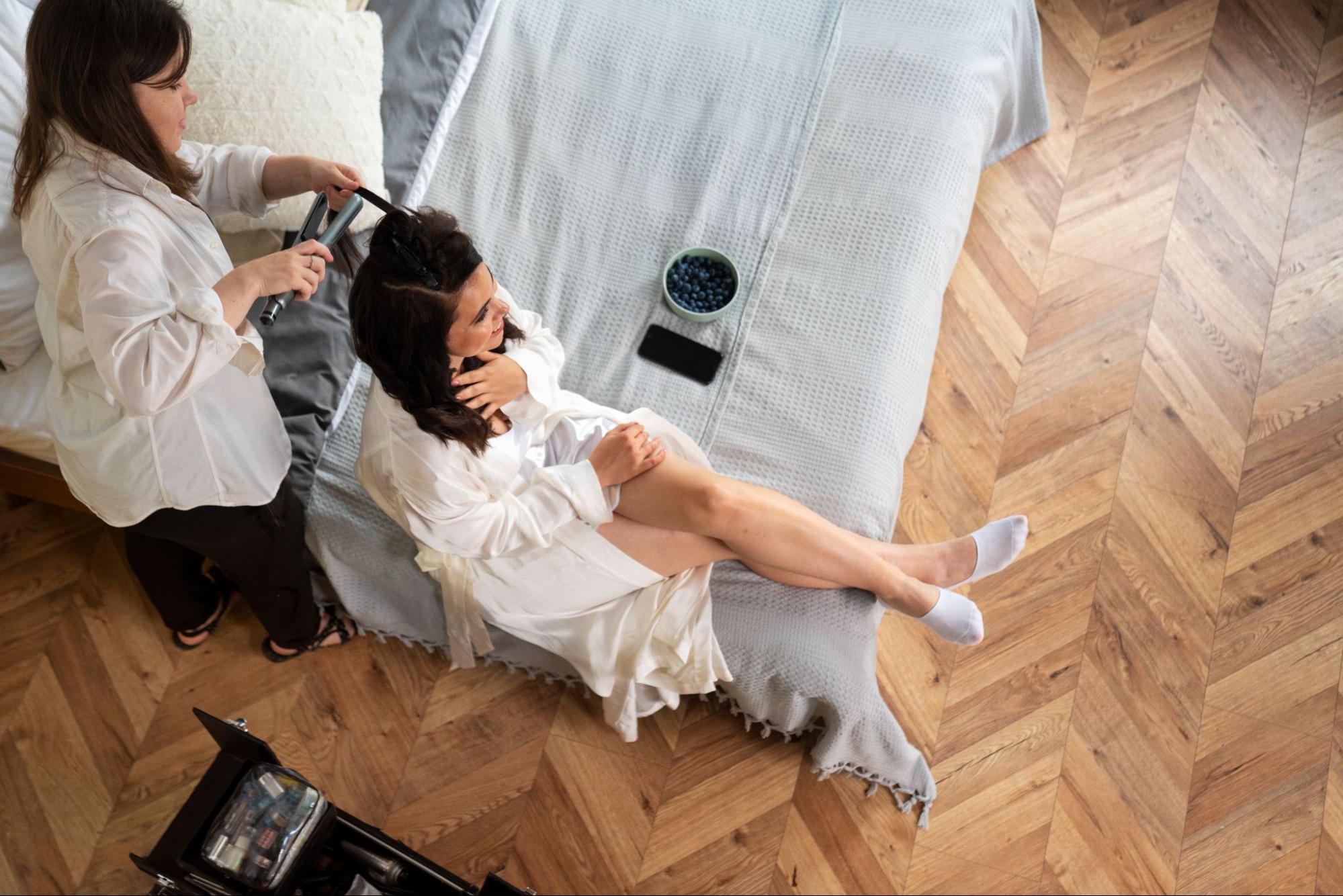
Engineered wood flooring uses a real hardwood veneer over layers of plywood or composite core. It looks identical to solid wood, handles moisture and temperature fluctuation better, and works over radiant heating where solid wood can't.
For most Pittsburgh homeowners, engineered hardwood is the more practical choice. The top layer, called the stop layer, determines how many times it can be refinished, so wear layer thickness matters when comparing products. Not suited to moisture areas like kitchens or bathrooms, but for everything else it covers a lot of ground.
Vinyl Flooring

Vinyl flooring has come a long way. Modern luxury vinyl plank, luxury vinyl tile, and sheet vinyl convincingly replicate the look of wood and stone while delivering water resistance, durability, and easy-to-clean surfaces that other materials simply can’t match in the same conditions.
For kitchens and bathrooms, it handles spills, humidity, and heavy foot traffic without the concerns that come with wood or laminate in the same spaces. Comfortable underfoot, quick to install, and available at accessible price points. It's the floor that works hardest in the rooms that need it most.
Laminate Flooring
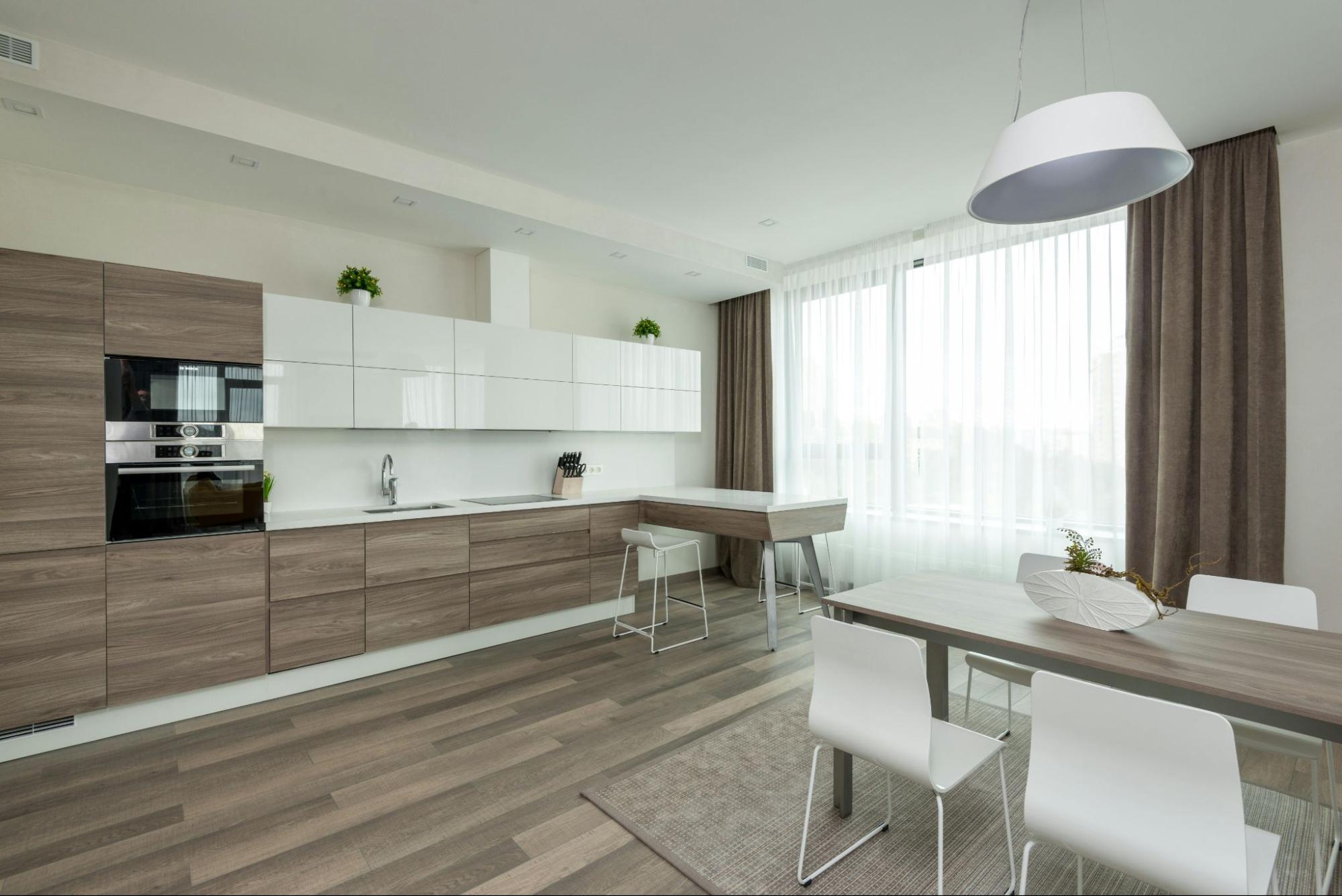
Laminate flooring is a cost-effective option that replicates the look of solid wood or stone through a photographic layer sealed under a protective coating. It's scratch and stain resistant, relatively easy to install as a floating floor, and available in a huge range of styles.
Laminate is not waterproof and should not be used in kitchens, laundry rooms, or bathrooms. It also can't be refinished. When it wears, it gets replaced. For dry living spaces where budget matters and the look of wood is the goal, it delivers solid value, particularly in rental properties and finished basements.
Tile Flooring
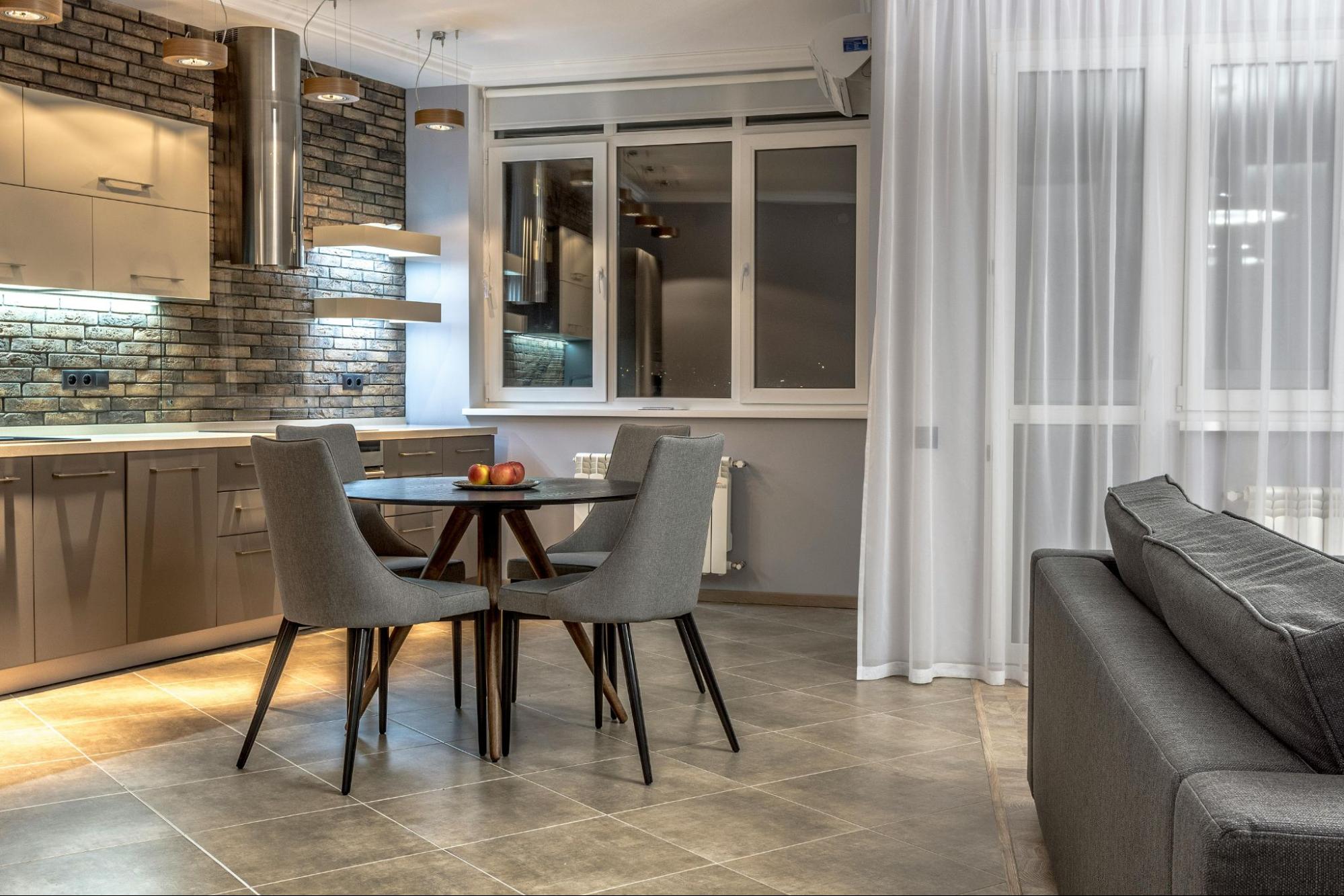
Tile flooring covers a wide category: ceramic, porcelain tile, and natural stone all fall under the tile umbrella, and each has its own performance profile.
Porcelain tile is the most durable and moisture-resistant of the group. It's dense, hard, and essentially impervious to water, which makes it the go-to for kitchens and bathrooms in particular. It's also scratch and stain resistant and easy to clean, making it one of the most low-maintenance flooring options available over the long term.
Ceramic tile is slightly softer and more affordable, working well in lower-traffic areas and on walls. Natural stone, including marble, slate, and travertine, brings character that no manufactured material fully replicates, but comes with higher costs and maintenance. Sealing is required. For high moisture areas, tile flooring is often the most reliable long-term choice.
Carpet Flooring
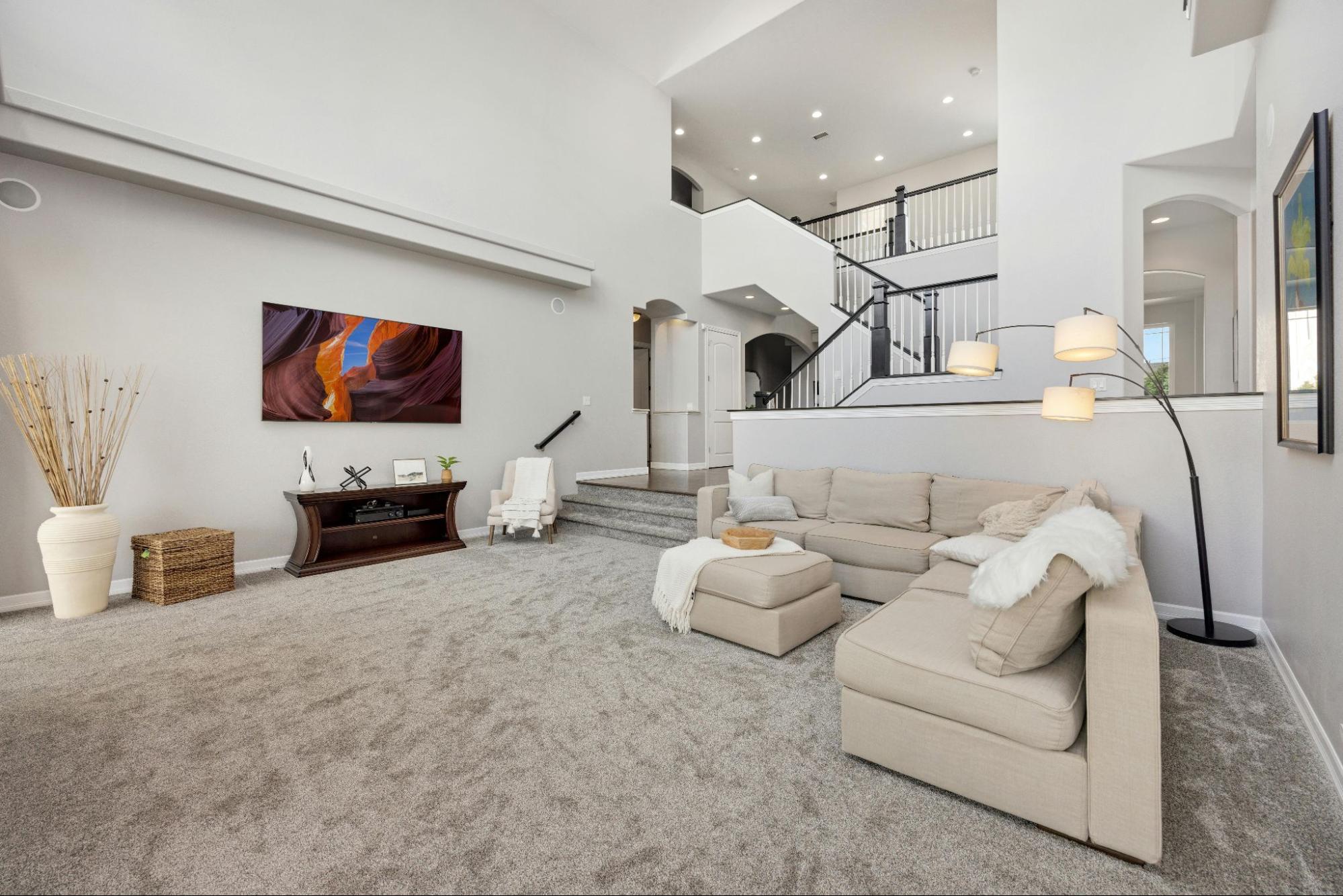
Carpet remains one of the most comfortable and practical flooring options for bedrooms, family rooms, and lower-traffic living spaces. It adds warmth, softness underfoot, and sound absorption that hard surface floors can’t replicate, making it especially popular in homes with children or multi-level layouts.
Modern carpet flooring is available in a wide range of textures, colors, and performance styles, including stain-resistant and pet-friendly options designed for everyday durability. While carpet requires more routine cleaning than hard surface flooring and isn’t suitable for high-moisture areas, it continues to be a strong choice for homeowners prioritizing comfort and a quieter feel throughout the home.
How to Match Flooring to the Room
If you're working through a whole-home flooring plan, here's a practical starting framework:
- Living rooms and bedrooms: Solid hardwood flooring, engineered hardwood, laminate, or carpet. Focus on comfort and aesthetics.
- Kitchens and bathrooms: Vinyl flooring or porcelain tile. Both handle moisture where other materials can't.
- Kitchens, laundry rooms, and utility spaces: Vinyl or ceramic tile. Easy to clean and durable.
- Basements: Engineered wood flooring or vinyl. Both handle below-grade moisture conditions better than solid wood or laminate.
- Entryways and high-traffic areas: Tile or engineered hardwood. Both hold up well to repeated foot traffic and are easy to clean.
The Value of Getting It Right
Choosing the wrong type of flooring for the room costs money twice: once to install it, and again to replace it earlier than you should have to.
Molyneaux Home has been helping Pittsburgh homeowners navigate these decisions for decades. Whether you're replacing a single room or planning a full home update, the team brings genuine expertise to every consultation and the free in-home estimate process takes the guesswork out of planning. A professional installer handles everything from start to finish.
Frequently Asked Questions
What is the most durable type of flooring?
Porcelain tile is one of the most durable options available: hard, scratch and stain resistant, and handles moisture better than almost anything else. For wood-look floors, engineered hardwood with a thick wear layer and luxury vinyl plank both perform well under heavy use.
What type of flooring is best for kitchens and bathrooms?
Vinyl flooring and porcelain tile are the top choices for kitchens and bathrooms. Both handle water damage and humidity well, are easy to clean, and hold up in high-moisture areas where solid wood and laminate would struggle.
Is engineered hardwood flooring better than solid hardwood?
It depends on the room. Solid wood flooring is unmatched in character where conditions allow, but engineered hardwood handles more environments, including variable humidity and radiant heat. For most main living areas, engineered wood flooring offers a better balance of performance and practicality.
Do I need a professional installer for flooring?
For most flooring types, yes. A professional installer ensures correct subfloor preparation, precise cutting, and a finish that performs as intended. It's the difference between a floor that looks right and one that almost does.
Conclusion
There's no single best floor. There's the right floor for your space, your lifestyle, and the conditions each room presents. Take the time to understand what each type of flooring material does well, and you'll make a decision that holds up for years.
Molyneaux Home makes that process straightforward for Pittsburgh homeowners. From the first conversation through to final installation, the team is there to help you get it right the first time. Schedule your free in-home estimate and start with floors you'll actually be glad you chose.
.avif)

