





7 Types of Carpet Every Homeowner Should Know Before Buying
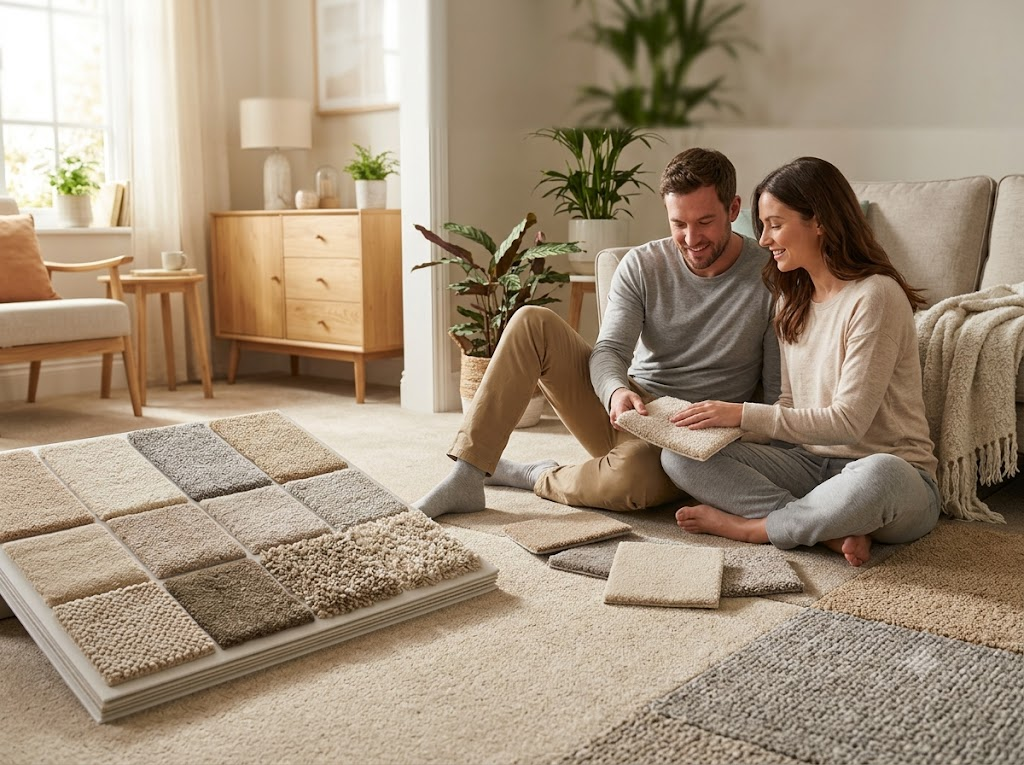
Carpet shopping looks simple until you're standing in front of a wall of samples. Different carpet styles, textures, and finishes all promise comfort, and it's hard to tell which one will actually suit your home. Choosing well means understanding how carpet is made and how each style behaves in daily life.
This guide walks through seven types of carpet, what each is best for, and what to think about before you buy. If you'd like to see the options in person, Molyneaux Home has a full range of carpet options to compare.
Key Takeaways
- Carpet is described by its pile style (how the fibers are cut or looped) and its fiber type (what it's made of).
- Cut pile feels soft and luxurious. Loop pile is typically more resilient for heavy foot traffic.
- Synthetic fibers like nylon and polyester suit busy households. Natural fibers bring a distinctive feel and look.
- Consider the room, your household, and your budget; not just the color.
Carpet Basics: Pile and Fiber
Two things shape how a carpet looks and performs. Pile refers to the loops or cut ends of yarn on the surface. Carpet fibers are the material the yarn is made from, which affects feel, durability, and how well it resists stains. Pile height and density also play a role: a dense, shorter pile generally handles more wear than a tall, loose one. Carpet piles range from short and firm to tall and soft. Every carpet offers a different balance of softness, durability, and price, so it helps to know what you're comparing.
1. Plush (Cut Pile) Carpet

Plush carpet has a smooth, even surface made from cut yarn ends. It's known for its soft, luxurious feel underfoot and its formal look. It can show footprints and vacuum marks, so it often suits low-traffic spaces such as bedrooms or a quiet living room.
2. Textured Carpet

Textured carpet uses cut yarns twisted or arranged to create a slightly uneven surface. The textured surface helps hide footprints and everyday wear, which makes it a popular, versatile choice for family rooms and other busy areas.
3. Frieze Carpet

Frieze carpet has tightly twisted yarns that curl, creating a casual, tousled look. It's good at hiding dirt and marks and handles heavy foot traffic well, making it a practical option for hallways and active households.
4. Berber Carpet

Berber carpet is a type of loop pile with a chunky, looped surface, often in neutral flecked colors. Berber carpet is known for durability and a casual look. Loops can snag on pet claws, so if you have animals, it's worth discussing the style with a specialist.
5. Cut and Loop Carpet

Cut and loop combines cut yarns and loops in one carpet to form patterns and a textured surface. It's a good way to bring in a patterned carpet look without a printed design, and it hides wear well. It suits living areas where you want interest and practicality.
6. Level Loop Carpet
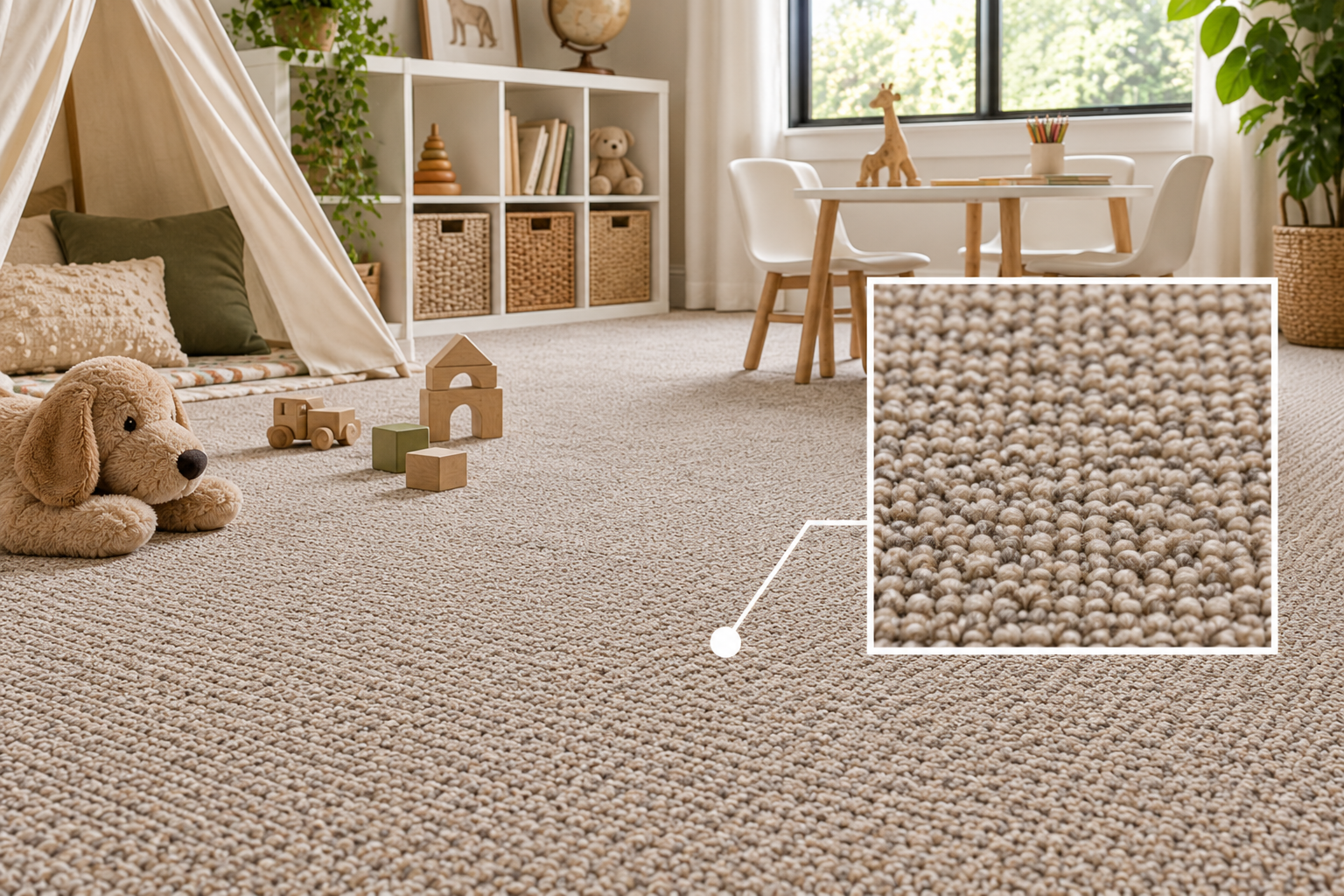
Level loop carpet has loops of the same height, creating a firm, flat surface. It's resilient and generally holds up in heavy foot traffic, so it's often used in busy spaces such as playrooms or offices at home.
7. Natural Fiber Carpet

Natural fiber carpets, made from materials like wool, bring a different feel and look from synthetic options. Many people choose them for their natural character and comfort. They're often a higher investment, so consider the room and how you'll care for them.
Carpet Fibers at a Glance

Synthetic fibers (nylon, polyester) are common in family homes, while a natural fiber carpet appeals to those prioritizing a natural feel. Individual products vary, so always check the specifications.
Caring for Each Carpet Type
Upkeep differs by style. Plush and other cut pile carpets benefit from regular vacuuming, which lifts the fibers and softens footprints. Textured and frieze styles are more forgiving of dirt but still need routine vacuuming. Loop carpets such as berber need a little care, since some vacuum beater bars can snag loops, so check the manufacturer's guidance. Natural fiber carpets often come with specific cleaning instructions, so read the care label before you start. Whatever you choose, regular vacuuming and prompt attention to spills will keep it looking good for longer.
How to Choose the Right Carpet
- Match the carpet to the room. Plush works well for bedrooms. Textured or loop styles suit living rooms, a family room, or other spaces with heavy foot traffic.
- Think about pets and children. In homes with pets, consider carpets that hide wear and are easy to clean. Ask a Molyneaux Design Consultant about stain-resistant options.
- Check pile height and density. Both affect how the carpet feels and how it wears.
- Look at the samples in your own light. Color and texture can change under your lighting.
- Plan your budget. Consider the carpet, padding, and installation together.
When you're ready, you can use the RoomView Visualizer to preview carpet in your own space or request a free estimate.
Pile Height and Density
Beyond style, two measures influence how a carpet wears.
Pile height is how tall the fibers stand. Tall pile feels luxurious but can mat and show wear more easily. A shorter pile is generally firmer and easier to maintain.
Density is how closely the fibers are packed. Dense carpet resists crushing and tends to last longer. Press your hand into a sample. If you can easily see the backing, the carpet is probably less dense.
Don't Forget the Padding
Carpet padding sits underneath and has a big effect on comfort and how long your carpet lasts. A good pad adds cushioning, helps the carpet hold its shape and can reduce noise. When you compare quotes, look at the padding along with the carpet.
Frequently Asked Questions
What is the most durable type of carpet?
Durability depends on both the pile style and the fiber. Dense, low-pile and loop styles in resilient fibers such as nylon are often chosen for high-traffic areas. Ask a specialist to compare specific products for your space.
What type of carpet is best for homes with pets?
Textured and low-pile carpets tend to hide wear and dirt well. Loop carpets can snag on claws, so they may not suit every pet. Stain-resistant fibers and easy cleaning are also worth considering.
What's the difference between cut pile and loop pile?
Cut pile has yarn ends that are snipped, creating a soft, plush surface. Loop pile keeps the yarn in loops, giving a firmer, more resilient surface. Each has a different look, feel and ideal use.
Is nylon or polyester carpet better?
Both are popular synthetic fibers. Nylon is often chosen for resilience in busy areas, while polyester is known for a soft feel and color choice. The best option depends on the room and the specific product.
Final Thoughts On Types of Carpet
The best carpet is the one that fits how you live. Understanding pile, fiber, and texture gives you a head start, and seeing samples in person makes the decision easier. Whether you want a luxurious feel for a bedroom or something tough for a busy family room, the team at Molyneaux Home can help you find the right fit.
Book a free consultation to explore your options and find the perfect carpet for your home.