.png)







How to Match Your Flooring and Wall Color | Tips & Ideas
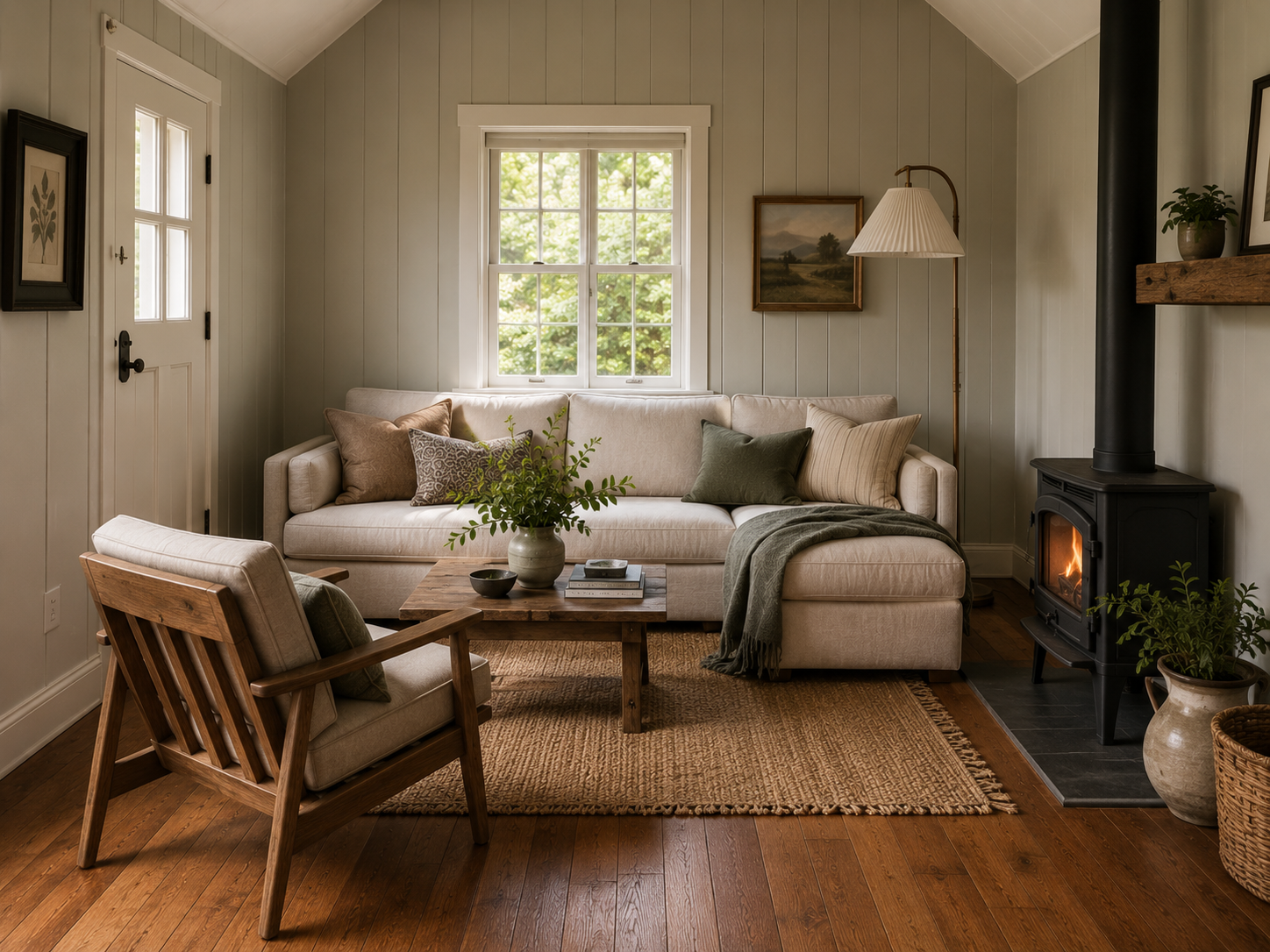
Your floor and your walls are the two biggest surfaces in any room, so the way they play off each other sets the entire mood. Nail the pairing and a space feels calm, cohesive, and pulled together. Miss it and even beautiful materials can feel a little off. The good news is that finding floor and wall color combinations that work is not guesswork. It comes down to a few simple rules about undertones, contrast, and light. Here is how to match your flooring and walls with confidence, whether you have warm oak, cool gray, or rich dark wood underfoot.
Key Takeaways
- Choose your floor first, then build your wall color around it.
- Light floors pair beautifully with white walls and soft, warm neutrals.
- Dark wood floors work best with crisp light walls for contrast or cool blue tones for drama.
- Undertones matter more than exact color, so match warm with warm and cool with cool.
- Natural light changes how every combination reads, so test colors in your actual room.
- The floor is the long-term investment, so let it lead the design.
Why Floor and Wall Color Combinations Matter
Together, the floor and walls create the backdrop for everything else in the room, from your furniture to your art. Because the floor is a large, permanent surface, it carries a lot of visual weight. When your wall color complements it, the two surfaces feel like they belong together and the whole space reads as intentional. When they clash, the room can feel busy or unbalanced no matter how nice each piece is on its own. Flooring combined with a complementary wall color is the foundation of a cohesive room.
Start With Your Floor, Then Choose Your Wall Color
Paint is easy to change. Flooring is not. That is why the smart order is to pick your floor type first, then match your wall color to it. Start by identifying your floor's undertone. Warm floors lean gold, red, or honey. Cool floors lean gray, ashy, or taupe. Once you know that, you can choose paint colors that either echo the undertone for a soft, blended look or gently contrast it for more definition. This one habit prevents most mismatched rooms before they happen.
Matching Wall Colors to Wood Floors
Wood floors are where people get stuck most often, so here is a simple breakdown by tone.
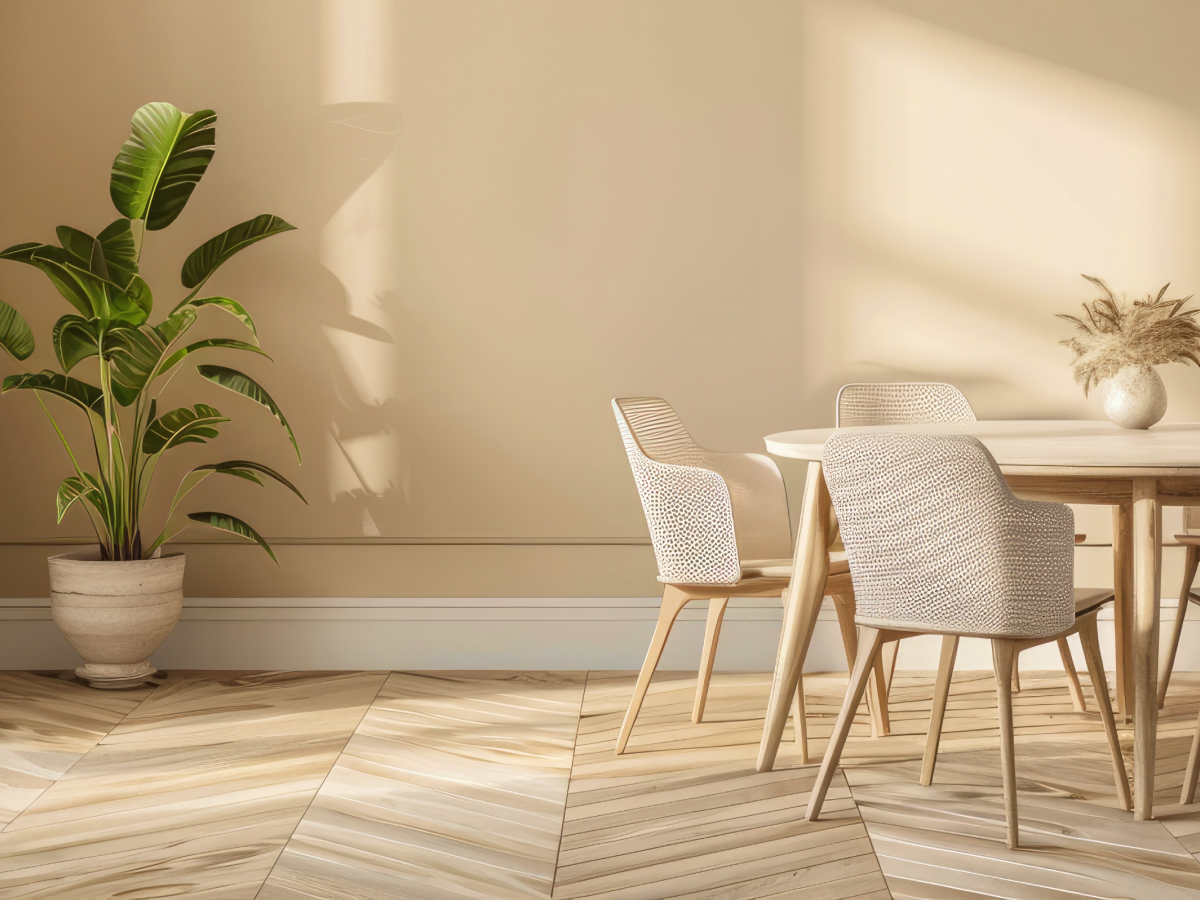
Light wood floors, like white oak, maple, or a pale oak floor, feel airy and modern. They pair wonderfully with white walls, soft greiges, gentle greens, and warm walls in creamy or sandy tones. The goal with light floors is to keep the palette fresh without washing everything out, so a warm neutral wall adds just enough depth.

Dark wood floors, like walnut or espresso, bring instant richness. To keep a room from feeling heavy, balance dark wood floors with lighter walls. Crisp whites and soft off-whites create a striking, high-contrast look, while a cool blue or muted gray-blue adds elegant drama. If you love a cozy, enveloping feel, deeper dark walls can work too, as long as you have enough natural light.

Medium and red-toned wood sits in the middle. These wood tones look best with cool or neutral walls that calm the warmth, such as greige, soft gray, or sage. Avoid pairing warm red floors with equally warm orange-toned walls, which can compete.

Floor and Wall Color Combinations That Always Work
When in doubt, reach for one of these tried-and-true pairings:
- Light oak floors with warm white or greige walls for a bright, Scandinavian-inspired living room
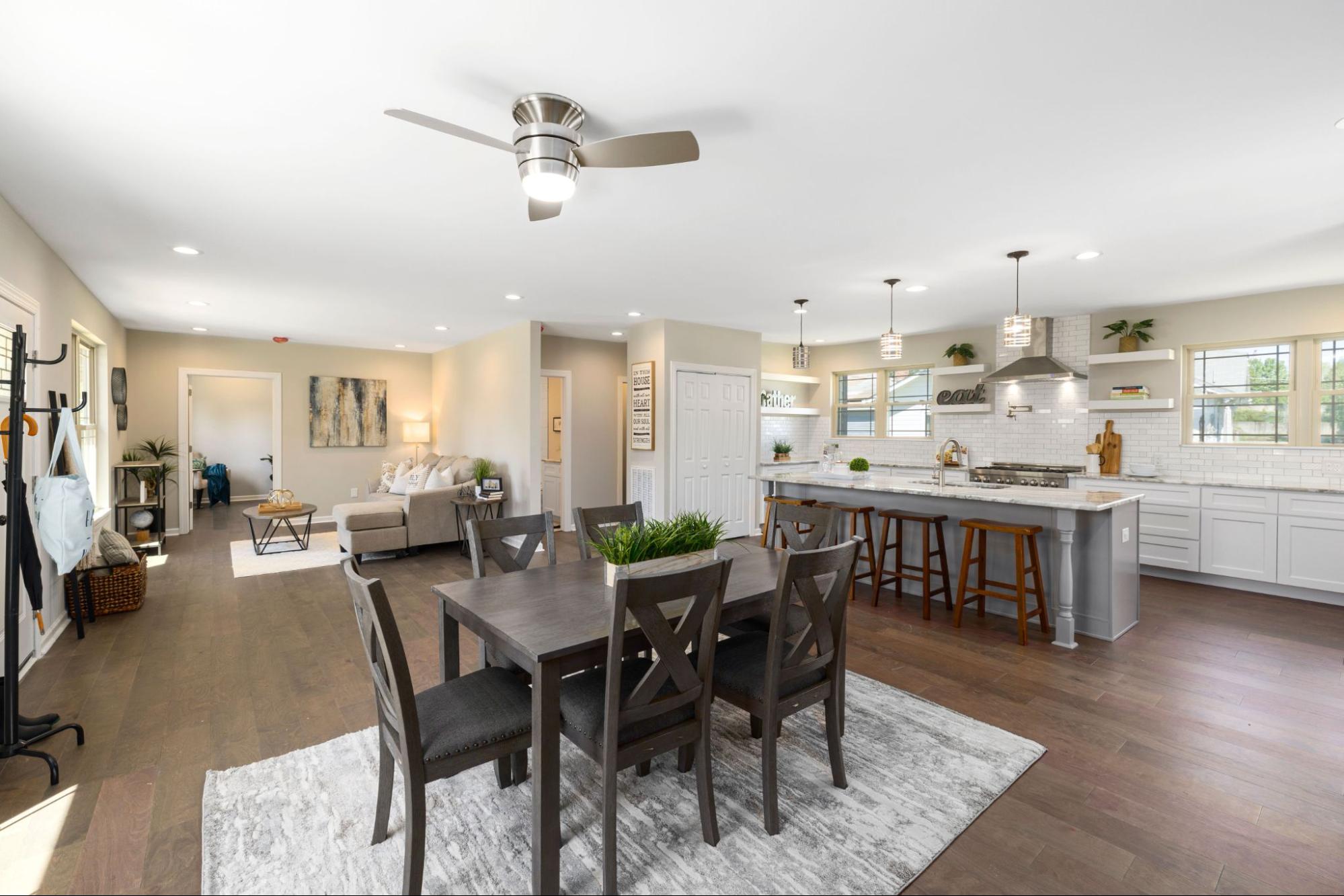
- Dark hardwood flooring with soft white walls for timeless contrast
- Gray luxury vinyl plank with warm walls to keep cool floors from feeling cold
- Medium wood floors with sage or soft green for an organic, grounded look
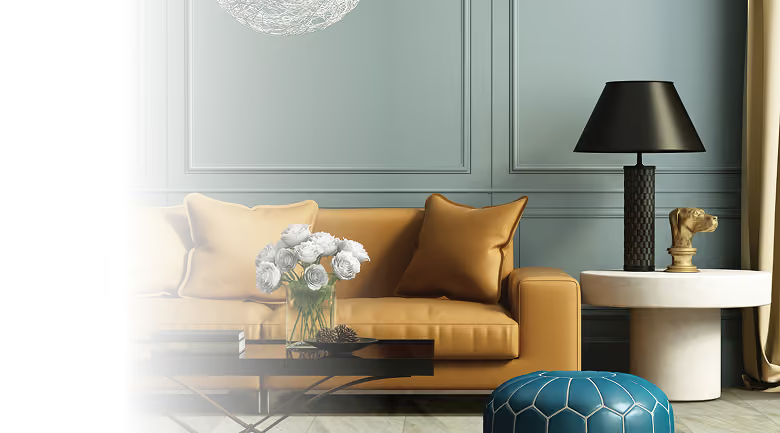
- Light floors with a cool blue accent wall for a calm, coastal feel
Any of these floor and wall pairings gives you a confident starting point you can personalize with furniture and decor.
“We always encourage homeowners to think about the feeling they want the room to have before choosing a wall color. Your flooring creates the foundation, but the wall color can either soften that foundation or create contrast. Looking at the two together, rather than choosing each finish separately, makes the entire room feel much more intentional.” — Molyneaux Home Design Consultant
Don't Forget Undertones, Light, and Furniture
Three details make or break a combination. First, undertones. Match warm with warm and cool with cool, and your room will feel harmonious even with bold colors. Second, natural light. A north-facing room reads cooler, so warm walls balance it, while a sunny south-facing room can handle cooler shades. Always test paint colors in your actual space at different times of day. Third, your wood furniture. Coordinate your larger wood pieces with your floor's tone so the whole room feels collected rather than random. When flooring and walls and furniture all share a consistent undertone story, everything clicks.
See It in Your Own Space With Molyneaux
The trickiest part of choosing floor and wall color combinations is imagining how they will look in your home, in your light. That is exactly where Molyneaux Home helps. Their design consultants bring flooring samples right to your living room, so you can hold real flooring options against your walls and furniture before you commit. Molyneaux Home can also help bring the entire look together with interior painting services, making it easier to coordinate your new flooring with a wall color that complements it.
Frequently Asked Questions
What wall color goes best with wood floors?
It depends on the wood's undertone. Light oak and maple floors shine with white, greige, and soft warm neutrals. Dark walnut and espresso floors look best with crisp light walls for contrast or a cool blue for drama. Match warm floors with warm walls and cool floors with cool walls.
Should my floors be darker or lighter than my walls?
Usually lighter walls over a darker floor feels grounded and classic, since it keeps the room's visual weight low. That said, light floors with slightly deeper walls can feel cozy and modern. The key is contrast between your flooring and walls so each one stands out rather than blending into a flat look.
What wall colors go with dark wood floors?
Dark wood floors pair beautifully with soft white and off-white walls for bright contrast, or with cool blue and gray-blue tones for a refined, moody feel. Warm greige also works if you want something in between. Just make sure the room has enough natural light to keep dark floors from feeling heavy.
How do I pick paint colors to match my floor?
Start with your floor, identify its undertone, and pull paint colors in the same warm or cool family. Test a few samples on your wall and check them in natural light throughout the day. Bringing home real floor samples alongside paint chips makes the whole decision far easier.
Ready to Bring Your Vision to Life?
Great floor and wall color combinations come down to understanding undertones, contrast, and the light in your room, then letting your floor lead the way. Once you have that foundation, the rest is personal style. If you would like expert help seeing it all come together, Molyneaux Home offers free in-home estimates where a design consultant brings samples to you and helps you pair the perfect floor with the perfect wall color. Book yours and start building a room that feels effortlessly pulled together.
.avif)

